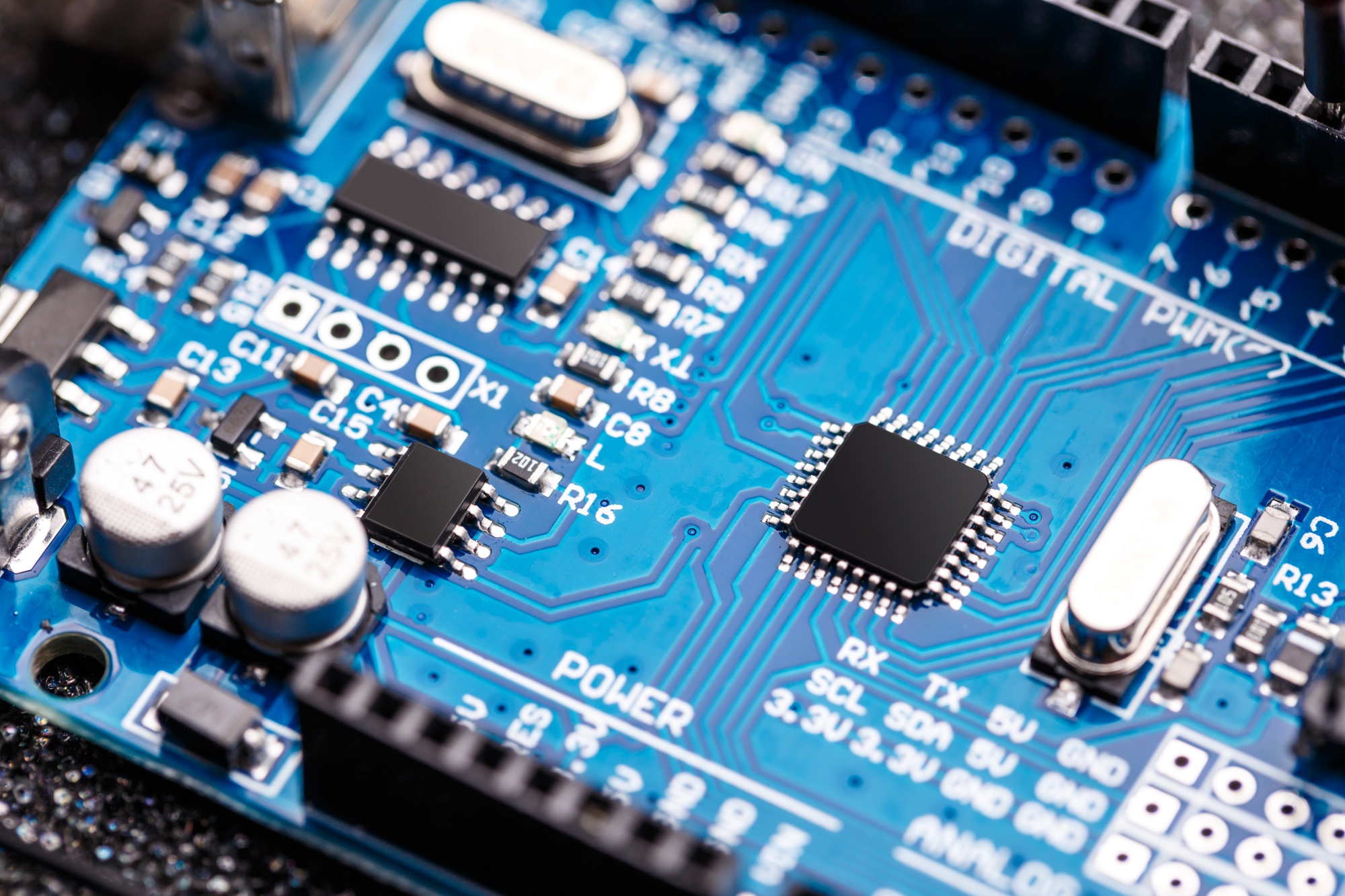

In today’s competitive market, efficiency and precision are no longer optional they are essential. Industrial automation has become a key driver in transforming manufacturing processes, enabling businesses to produce faster, more accurately, and with fewer resources. From PLC programming to SCADA integration, automation technologies are reshaping the way industries operate.
What is Industrial Automation?
Industrial automation involves using control systems, software, and machinery to operate processes with minimal human intervention. By integrating advanced technologies such as Programmable Logic Controllers (PLCs), Supervisory Control and Data Acquisition (SCADA) systems, and robotics, companies can achieve higher productivity, consistent quality, and lower operational costs.
Key Benefits of Industrial Automation
Automation delivers a wide range of advantages for manufacturing and industrial processes:
- Increased Efficiency: Machines can work continuously without fatigue, ensuring round-the-clock production.
- Enhanced Precision: Automated systems reduce human error, leading to consistent and accurate output.
- Cost Savings: While the initial investment may be significant, long-term savings on labor, waste, and downtime are substantial.
- Improved Safety: Automation reduces the need for workers to perform hazardous tasks, minimizing workplace accidents.
- Data-Driven Decisions: Real-time monitoring and reporting provide valuable insights for process optimization.
Core Technologies Driving Automation
- PLC Programming
- PLCs are the backbone of industrial automation, controlling machinery and processes with high reliability. Customized PLC programs ensure that systems operate according to specific production requirements.
- SCADA Systems
- SCADA provides centralized monitoring and control, allowing operators to oversee entire facilities from one interface. It supports real-time data collection, alarms, and performance analytics.
- Robotics & AI Integration
- Robotics combined with artificial intelligence can handle complex tasks, adapt to changing conditions, and further improve operational efficiency.
- Industrial IoT (IIoT)
- IIoT enables interconnected devices to share data, creating smarter, self-optimizing production environments.
Real-World Applications of Industrial Automation
- Manufacturing Lines: Automated assembly lines for automotive, electronics, and consumer goods.
- Process Industries: Chemical plants, food processing, and pharmaceutical manufacturing.
- Energy & Utilities: Power generation, water treatment, and oil & gas operations.
- Material Handling: Automated conveyor systems, sorting machines, and packaging units.
Challenges in Adopting Automation
While the benefits are significant, businesses must address:
- High initial setup costs
- Workforce training requirements
- Cybersecurity risks for connected systems
- System integration with existing infrastructure
By partnering with experienced automation specialists, these challenges can be effectively managed.
Future of Industrial Automation
The future promises even greater advancements, with AI-driven predictive maintenance, fully autonomous production lines, and advanced analytics shaping the next wave of efficiency. As technology continues to evolve, automation will remain central to industrial success.
Final Thoughts
Industrial automation is not just a technological upgrade it’s a strategic investment. By implementing solutions such as PLC programming, SCADA systems, and end-to-end process automation, businesses can position themselves for long-term growth and competitiveness.
FAQs
1. What industries benefit the most from industrial automation?
Manufacturing, energy, utilities, pharmaceuticals, and logistics are among the top beneficiaries.
2. How does PLC programming improve efficiency?
PLCs provide precise control, minimize downtime, and ensure consistent production, which boosts overall efficiency.
3. Is automation only for large companies?
No. Small and medium-sized businesses can also implement automation to improve productivity and reduce costs.
4. Can automation reduce operational risks?
Yes. By removing human involvement from dangerous processes, automation significantly reduces safety risks.
5. How long does it take to implement an automation project?
The timeline depends on the complexity of the system, but projects typically range from a few weeks to several months.